

Stages 3–4
Whoever trains the model deploys it.
The researcher puts their own model on the client’s server and watches the first week themselves. Which is why “it worked in the lab” is not an answer anyone here can give.
The team
Bayonic is built by engineers who trained in South Korea, the United Kingdom and Tashkent — people who took AI into production in automotive, factory, port and city programmes. That experience now has one job: turning the cameras you already own into a measuring tool.
Every degree, paper and award on this page belongs to a named member of the team. Clients in Korea are not named — that is a legal obligation; the work is described at sector level only.
Each of them has taken a model into production rather than into a paper — in automotive, factory and city programmes. Below, briefly: who they are, where they trained and what they shipped.
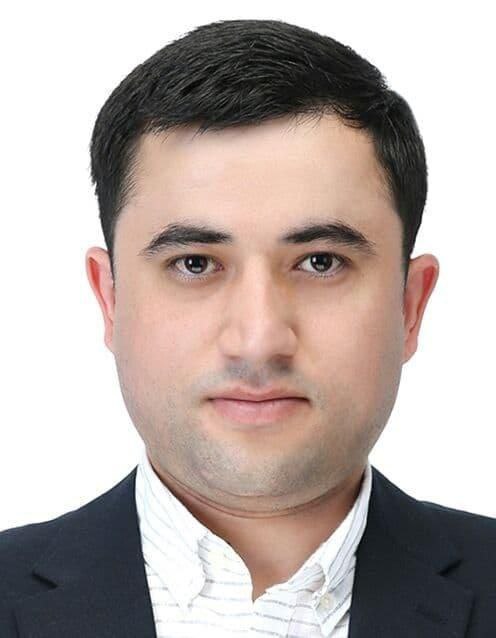
Founder & CEO
ICCV — 1st placeBuilt real-time vision systems that run in global industry.

Chief Technology Officer
ICCV — 1st placeResearch engineer who took multi-camera vision into production.
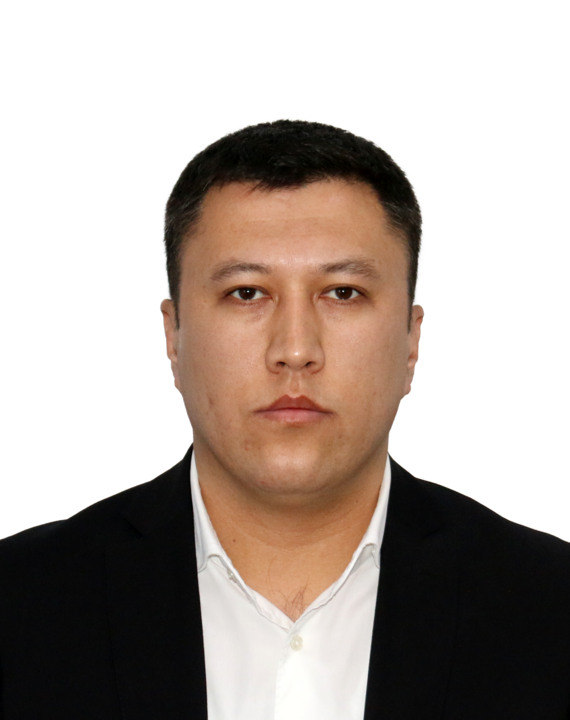
Strategy Director
Finance and corporate strategy — macroeconomics and investment modelling.

Lead Backend Engineer
The platform under the load: APIs, Kubernetes, gRPC and MLOps pipelines.
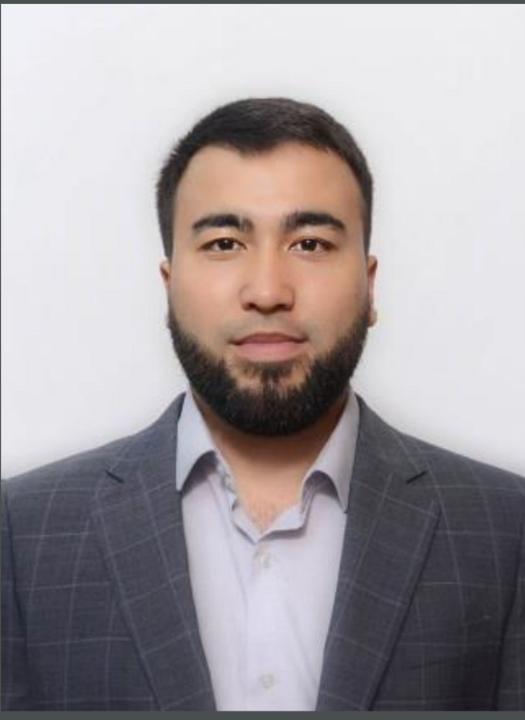
Senior AI Researcher
Research in segmentation and model compression.
Universities and the lab
Korean employers and clients are not named — that is a legal obligation. The sector, the result and the person are public.
The team is larger than this: the page publishes the leadership and the senior engineers. The rest of the profiles follow when they are ready.
Work here is one closed loop: the data comes off your cameras, the model runs on your server, the result is measured in your console — and that measurement sets the next version. Below is that loop, exactly as it runs.
The cameras, shifts and till you already have — not an open dataset.
The model is fitted to this room, this lighting and this process.
An on-premise deployment, done by the engineer who trained the model.
That same engineer watches the output daily and tunes the thresholds.
The figure is read in your console — the only figure we ever publish.
The measurement sets the next version — the loop closes
The three rules that hold the loop together
The researcher puts their own model on the client’s server and watches the first week themselves. Which is why “it worked in the lab” is not an answer anyone here can give.
Every result this site publishes was measured in the client’s own console. What a model scored on its test set is internal work, not a claim.
Neither the video nor the staff records go anywhere — the model runs on the client’s own hardware. What is stored and what is not has its own page.
The security pageWhich cameras are already there and what you want measured — that is where the conversation starts. What this team has actually built is written up on the measured-results page.